







Aortic Dissection: What You Need to Know — From Causes to Care

Aortic Dissection: What You Need to Know — From Causes to Care
When it comes to heart health, some conditions need immediate attention. One such condition is aortic dissection. Though it sounds complex, understanding it in simple terms can help save lives.
Let’s walk through what it is, who is at risk, how it feels, and how it is treated — in a way that’s easy to understand.
What Is Aortic Dissection?
The aorta is the main blood vessel that carries oxygen-rich blood from the heart to the rest of the body.
In aortic dissection, the inner layer of this vessel tears, allowing blood to flow between the layers of the aorta. This weakens the vessel wall and can block blood supply to vital organs like the brain, kidneys, or heart.
This is a medical emergency and needs immediate care.
Who Is More at Risk?
Aortic dissection is more commonly seen in:
-
People above 60 years of age
-
Men (about three times more common than women)
Certain conditions increase the risk:
-
Long-standing high blood pressure (the biggest risk factor)
-
Smoking
-
Weakening or enlargement of the aorta (aortic aneurysm)
-
Genetic conditions like Marfan syndrome
-
Birth-related heart conditions such as bicuspid aortic valve
-
Severe chest injury (for example, accidents)
-
Rarely, during pregnancy
Keeping blood pressure under control plays a major role in prevention.
Warning Signs You Should Never Ignore
Symptoms usually begin suddenly and can be severe. Common signs include:
-
Sharp, tearing pain in the chest or upper back
-
Pain spreading to the neck, jaw, abdomen, or back
-
Sudden fainting
-
Difficulty speaking or weakness on one side of the body
-
Cold, painful arms or legs
-
Sudden drop in blood pressure
 Any sudden, severe chest or back pain should be treated as an emergency.
How Is Aortic Dissection Diagnosed?
Quick diagnosis can be life-saving.
Doctors use advanced imaging tests to confirm the condition:
-
CT Angiography – the most commonly used and accurate test in emergencies
-
Transesophageal Echocardiography (TEE) – a special heart ultrasound done in critical situations
-
MRI – useful in selected cases or long-term follow-up
Blood tests help doctors understand the condition better but cannot confirm it alone.
Types of Aortic Dissection – Why It Matters
Aortic dissection is divided into two main types:
Type A (Upper Aorta)
-
Involves the part of the aorta closest to the heart
-
Requires immediate surgery
-
Delay can be life-threatening
Type B (Lower Aorta)
-
Involves the lower part of the aorta
-
Often managed initially with medicines to control blood pressure and pain
-
Minimally invasive stent procedures may be needed if complications develop
Treatment Is Only the Beginning – Recovery Matters
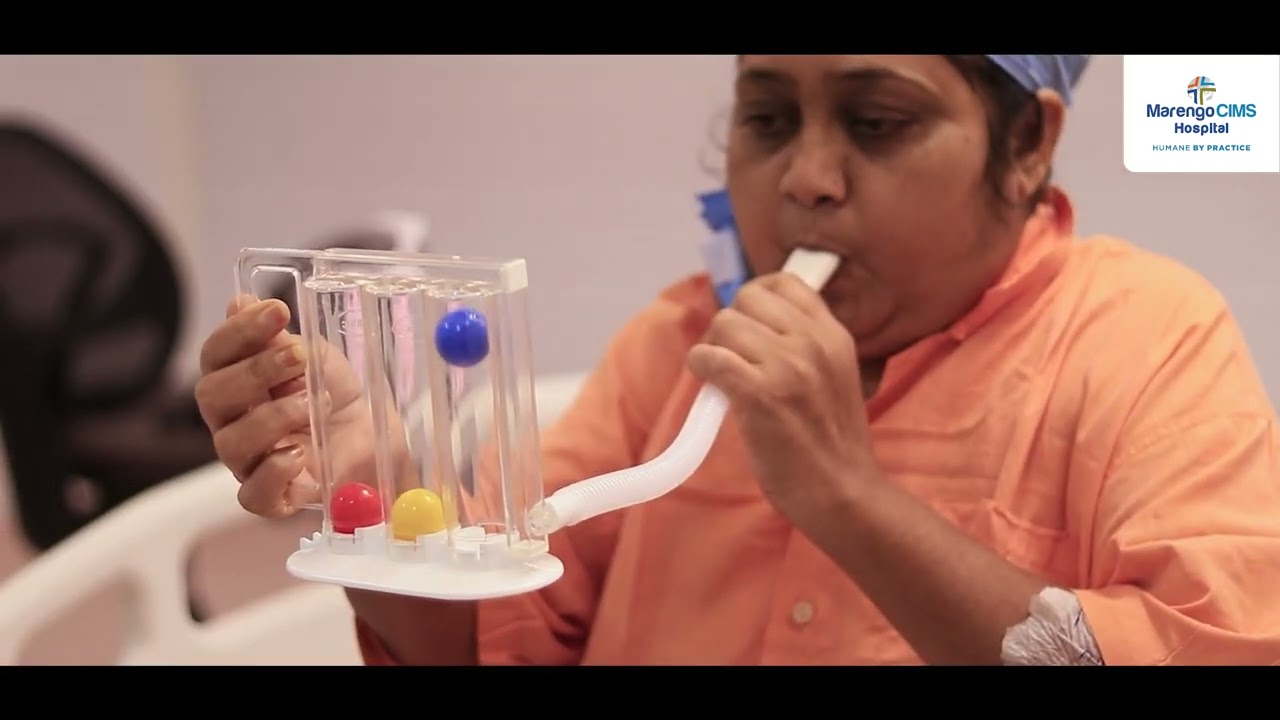
Surviving an aortic dissection is a major step, but long-term care is just as important.
Recovery includes:
-
Strict and lifelong blood pressure control
-
Regular imaging tests to monitor the aorta
-
Healthy lifestyle changes (diet, exercise, quitting smoking)
-
Ongoing medical follow-up
These steps help prevent future complications and ensure long-term stability.
Comprehensive Care at Marengo CIMS Hospital
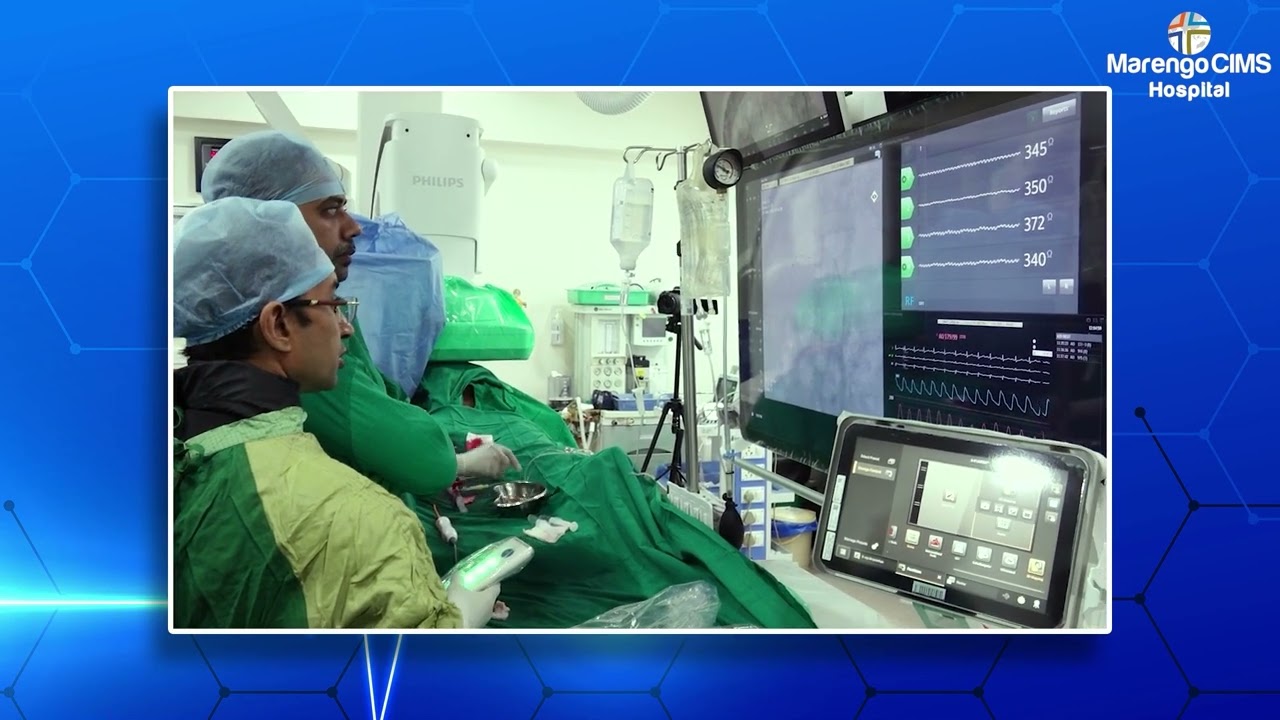
At Marengo CIMS Hospital, care for aortic dissection goes beyond emergency treatment.
A multidisciplinary team works together, including:
-
Cardiac surgeons
-
Cardiologists
-
Vascular specialists
-
Critical care experts
-
Advanced imaging professionals
From rapid diagnosis and emergency intervention to personalized treatment plans, every step is carefully coordinated.
Post-discharge, patients receive:
-
Structured follow-up plans
-
Blood pressure management guidance
-
Rehabilitation and lifestyle counselling
-
Continuous monitoring for long-term safety
At Marengo CIMS Hospital, the focus is not just on treatment — but on recovery, reassurance, and quality of life.
What's Your Reaction?
 Like
0
Like
0
 Dislike
0
Dislike
0
 Love
0
Love
0
 Funny
0
Funny
0
 Angry
0
Angry
0
 Sad
0
Sad
0
 Wow
0
Wow
0