








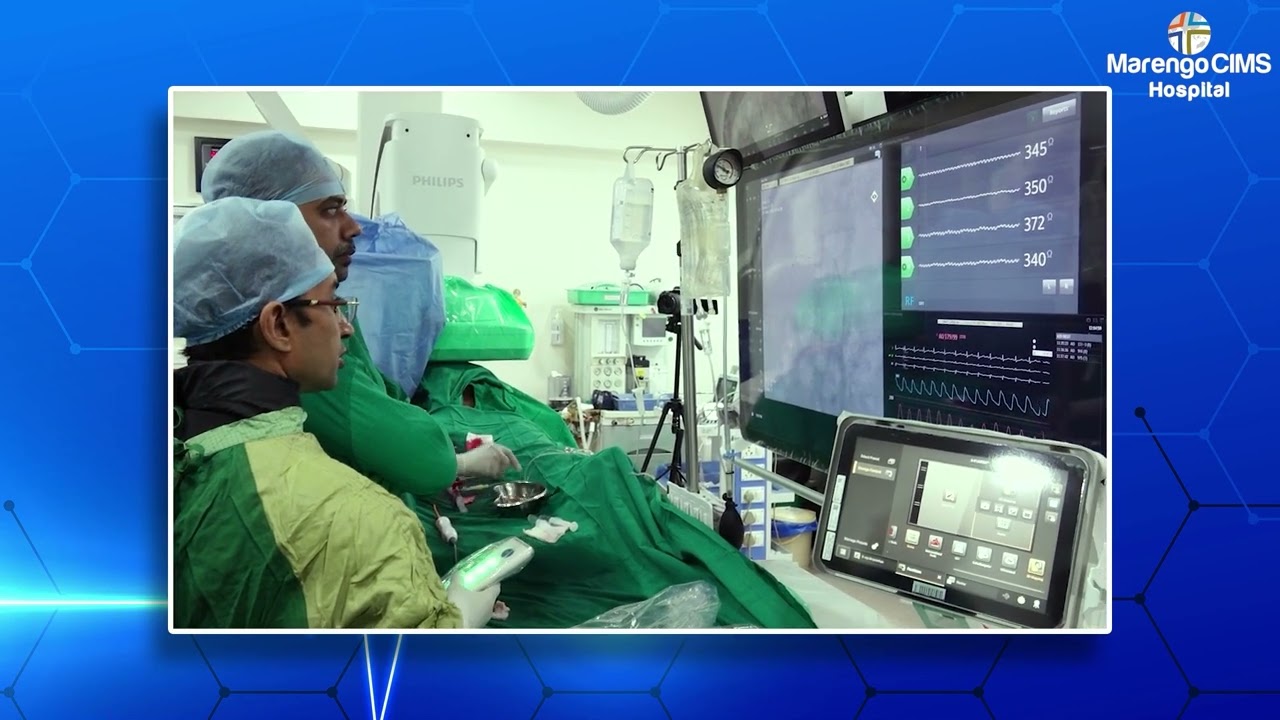
Co-morbidities have a significant impact on cancer care: Dr Devang Bhavsar

Dr Devang Bhavsar
Radiation Oncologist at Marengo CIMS Hospital
Co-morbidities have a significant impact on cancer care: Doctor
Cancer incidence is significantly rising in India, and an important challenge is the high burden of co-morbidities among cancer patients. Up to 70 per cent of individuals diagnosed with cancer have at least one chronic condition such as hypertension, cardiovascular disease, diabetes or renal disorder. These figures are comparable to western populations,” says Dr Devang Bhavsar.
Explaining the impact of co-morbidities, Dr Devang says, “Co-morbidities have a substantial impact on cancer care. They may delay or complicate early diagnosis, influence tumor biology, limit available treatment options, increase treatment-related toxicity, worsen overall morbidity and mortality.”
Talking about why cancer management must be personalized in the presence of co-morbidities, he says, “When co-morbidities coexist with cancer, management requires individualization. The first step is to establish the overall treatment goal. After this, the care pathway must balance the benefits of cancer therapy with the stability and risks posed by chronic diseases. A comprehensive evaluation generally includes: clinical evaluation and risk scoring, treatment modification and prioritization, multidisciplinary team (MDT) approach oncologists, physicians, cardiologists, nephrologists, pulmonologists, neurologist and supportive care specialists work together to create an optimal, individualized treatment plan.
Explaining the hospital’s approach, Dr Devang says, “We recognize that treating cancer in the presence of co-morbid conditions requires expertise and coordination of departments like cardio-oncology, neuro-oncology, oncology and metabolic disorder, nephro-oncology and geriatric oncology.”
He adds, “Multidisciplinary Tumor Board reviews for every complex case. Integrated, team-based treatment planning. Personalized management strategies that ensure safety while maximizing oncological outcome.”
What's Your Reaction?
 Like
0
Like
0
 Dislike
0
Dislike
0
 Love
1
Love
1
 Funny
0
Funny
0
 Angry
0
Angry
0
 Sad
0
Sad
0
 Wow
0
Wow
0


